Electronic Cigarettes UK: The Complete Beginner's Guide
Published 2026-04-30 · By eTripVape Editorial
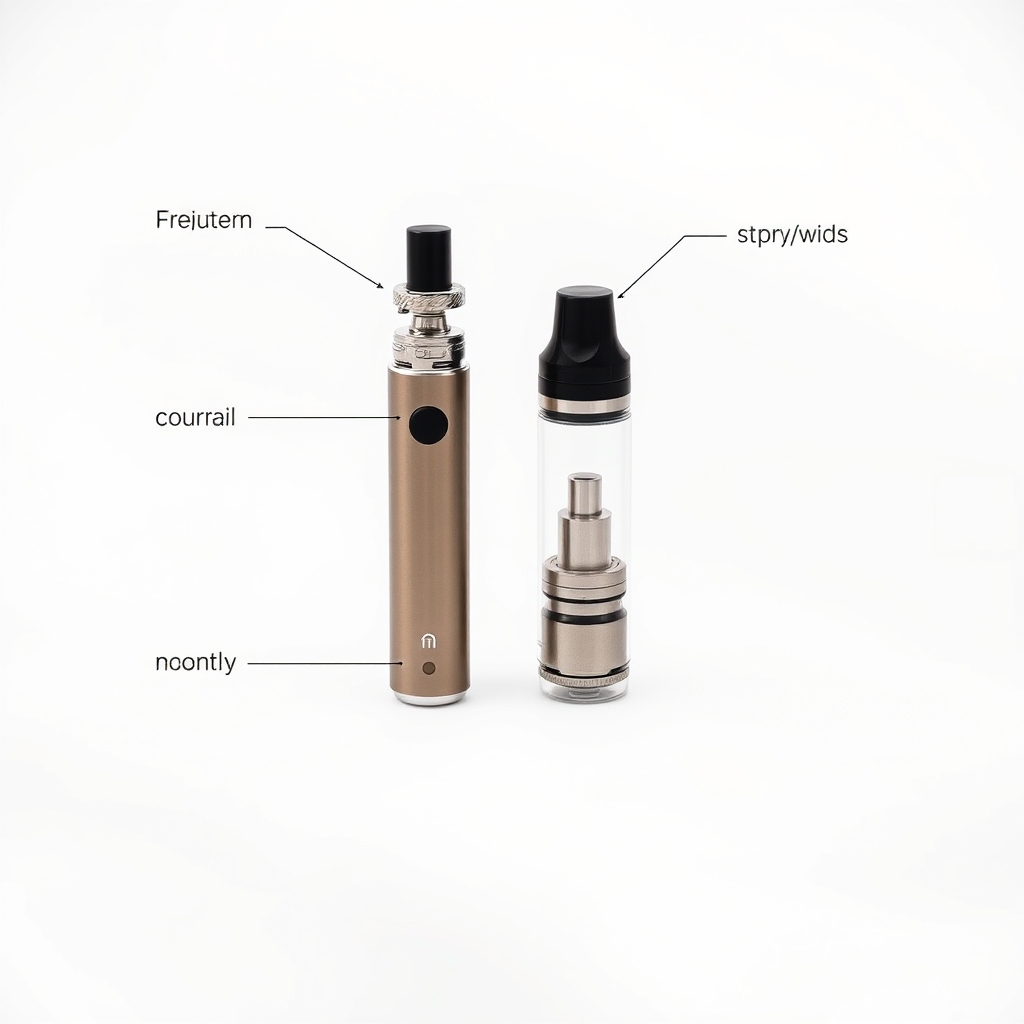
New to vaping? Our UK beginner's guide covers how e-cigarettes work, types, nicotine strengths, TPD rules & NHS harm-reduction evidence. Shop with confidence.
UK and EU Product Paths to Compare First
For adult buyers who already know they want a ready-to-use device, these pages are the fastest way to compare real products:
- All Disposable Vapes- rechargeable disposable vape models across current brands.
- 10K-25K Daily Disposable Vapes- portable daily devices including 20K and 25K options.
- 25K-50K High Puff Disposable Vapes- heavier-use 40K and 50K models.
- LAVIE Disposable Vapes- LAVIE 10000 Puffs, Cyber 2-in-1 20000 and larger high-puff models.
- EU Warehouse Disposable Vapes- European stock where available; always check local nicotine and age rules before ordering.
Read the beginner guide below if you are still choosing between device types. If you are ready to compare products, use the collection links above first.
What Is an Electronic Cigarette and How Does It Work?
If you're an adult smoker curious about vaping, you're not alone — millions of people across the UK have already made the switch, and the range of devices available today makes it easier than ever to find something that actually works for you. This guide covers everything from basic components to UK regulations, so you can make an informed decision. This article is intended for adults aged 18 and over only. Nicotine is addictive, and e-cigarettes are not suitable for non-smokers, young people, or those who have never used nicotine products.
An electronic cigarette (also called a vape or e-cig — the terms are completely interchangeable) is a battery-powered device that heats a liquid into an inhalable vapour. There's no tobacco, no combustion, and no smoke involved. The NHS and Cancer Research UK both describe vaping as significantly less harmful than smoking — though it is not risk-free, and that distinction matters.
Here's how it works: the battery powers a small heating element called a coil, which warms the e-liquid held in a tank or pod, turning it into vapour you inhale through the mouthpiece. That's the whole mechanism.
The five key components are: the battery (powers the device), the atomiser (the heating unit), the coil (the wire that heats up), the tank or pod (holds the e-liquid), and the e-liquid (the flavoured solution that becomes vapour).
Types of E-Cigarettes: Which Device Is Right for You?
With so many devices on the market, picking your first e-cigarette can feel like a lot. Here's a straightforward breakdown of the four main types — from simplest to most advanced.
Cigalikes look almost identical to a traditional cigarette — same shape, similar size. They're simple to use, often disposable, and require zero setup. Battery life and flavour variety are limited, but for someone who just wants to try vaping without any commitment, they do the job. Expect to pay around £5–£10 for a basic cigalike starter kit.
Pod kits are compact, lightweight devices that use pre-filled or refillable pods. They're discreet, easy to maintain, and deliver a satisfying draw without any technical fiddling. For most adult smokers trying vaping for the first time, a pod kit is the natural starting point. Prices typically range from £15–£35.
Vape pens are slightly larger, pen-shaped devices with bigger batteries and noticeably better flavour performance — you'll pick up nuances in a good tobacco or menthol blend that a cigalike simply can't reproduce. They offer more customisation than pod kits while remaining beginner-friendly. A decent vape pen usually costs between £20–£45.
Box mods are the most advanced option — boxy, powerful, and highly customisable. They suit experienced vapers who want precise control over wattage, airflow, and coil temperature. Beginners should leave these alone until they're comfortable with the basics. Prices start around £40 and climb from there.
MTL vs DL: Which Draw Style Suits You?
Mouth-to-lung (MTL) vaping means drawing vapour into your mouth first, then inhaling — exactly like smoking a cigarette. It feels familiar and natural for switchers. Direct-lung (DL) vaping means inhaling straight into the lungs in one breath, producing larger clouds but a very different sensation. If you've smoked before, MTL will feel immediately comfortable. Most pod kits and vape pens are MTL-friendly by default.
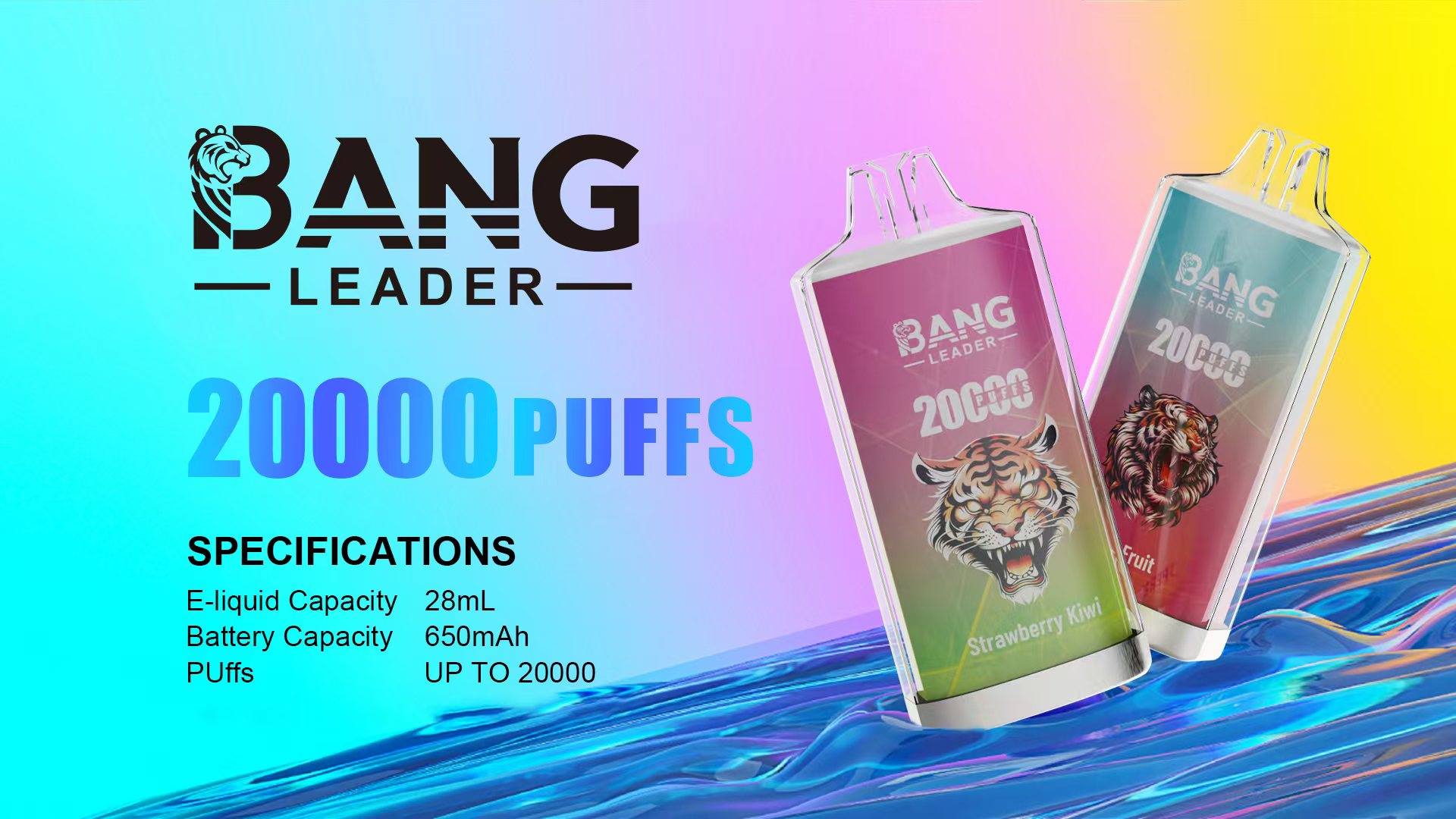
Not ready to invest in a reusable kit yet? Disposable vapes are a sensible no-commitment starting point. TheBang Leader 20000 Puffs Disposable Vaperequires zero setup and offers nicotine options from 0% to 5%, making it a practical choice for first-timers. If you'd prefer something that lasts considerably longer before committing to a reusable device, theBang Blaze 60000 Puffs Vapedelivers extended use with dual coils and ten flavours — enough variety to work out what you actually enjoy before spending more.
E-Liquid Explained: Nicotine Strengths, PG/VG Ratios & Flavours
Choosing the right e-liquid feels complicated at first, but once you understand three things — base ratio, nicotine strength, and flavour category — it clicks quickly.
PG vs VG: What's the Difference?
Every e-liquid contains a base of propylene glycol (PG), vegetable glycerin (VG), or a blend of both. PG is a thin, odourless liquid that carries flavour cleanly and produces that recognisable throat hit — the slight catch at the back of the throat that many switchers find reassuring. VG is thicker and naturally sweet, producing denser, smoother vapour — better suited to direct-lung, sub-ohm vaping.
For beginners, a 50/50 PG/VG blend is the sweet spot: solid flavour, manageable throat hit, and enough vapour production. Once you're comfortable, a 70VG/30PG ratio works well with sub-ohm devices for bigger, smoother draws.
Nicotine Strengths: Finding Your Level
Matching your nicotine strength to your previous habits helps you avoid cravings — or overdoing it. As a rough guide: light smokers (under 10 cigarettes a day) typically do well on 6–10mg; moderate smokers (10–20 a day) often suit 12–18mg; and heavier smokers (20+ a day) tend to need 18–20mg freebase or 10–20mg nicotine salts.
Freebase nicotine is the standard form found in most e-liquids, though it can feel harsh at higher strengths. Nicotine salts are chemically smoother, absorb faster, and are far more comfortable at higher concentrations — which is why they're popular with heavier smokers making the switch.
Under UK TPD regulations, nicotine-containing e-liquids are capped at 20mg/ml and sold in bottles no larger than 10ml. Always buy from reputable UK-compliant retailers.
Nicotine is addictive regardless of the delivery method — worth keeping in mind when choosing your strength and how often you vape.
Flavours & Stepping Down
Flavour categories run from tobacco and menthol through to fruit and dessert blends — personal preference drives everything here. A cool mint at 10mg feels very different from a warm tobacco at 18mg, and finding your combination is part of the process. If you want to gradually reduce your nicotine intake over time, theBang 36000 Power Disposable Vapeoffers flexible nicotine options from 0% to 5%, giving you room to step down at your own pace.
UK Vaping Laws, TPD Compliance & Where to Buy Legally
Understanding UK vaping regulations helps you shop with confidence and stay on the right side of the law. Here's what you need to know.
The Tobacco and Related Products Regulations 2016 (TRPR/TPD) set the ground rules for e-cigarette products sold in the UK. Key rules include:
- 2ml maximum tank capacity for refillable devices
- 20mg/ml nicotine cap on all e-liquids
- 10ml maximum bottle size for nicotine-containing e-liquids
- Mandatory MHRA product notifications — every compliant product must be registered with the Medicines and Healthcare products Regulatory Agency before it can legally be sold
- Mandatory warnings on all packaging
When you see "TPD compliant" on a product listing, it means that item meets all of these requirements and has been properly notified to the MHRA. That matters because it gives you a clear picture of what's actually in the product you're buying.
Buying legally in the UK: E-cigarettes are legal for adults aged 18 and over. Retailers are legally prohibited from selling to anyone under 18, and etripvape.com fully enforces this age restriction.
Vaping in public isn't universally banned the way smoking is — individual venues set their own policies, so always check before vaping indoors.
A note on disposables: Some high-puff-count disposable vapes in our range are intended for markets where different regulations apply. Always check local compliance rules before purchasing.
Upcoming disposable vape ban: The UK government has announced a ban on single-use disposable vapes, currently expected to come into force in 2026. We'll keep our product range updated accordingly.
Shopping at etripvape.com means buying from a retailer committed to full regulatory transparency — no grey areas.
Vaping vs Smoking: What the Evidence Says & Common Questions
The NHS and UK Health Security Agency (UKHSA) — formerly Public Health England — are consistent on this point: vaping is significantly less harmful than smoking. The widely referenced PHE estimate puts the figure at around 95% less harmful, though vaping is not risk-free and is not recommended for non-smokers or anyone under 18.
Cancer Research UK acknowledges that switching from cigarettes to a vaping device represents a meaningful reduction in exposure to harmful combustion byproducts. Long-term effects of vaping are still being studied, and that's worth being honest about.
Common questions new vapers ask:
Heart palpitations — Some users notice an irregular heartbeat, often linked to nicotine levels or dehydration rather than vaping itself. High-strength nicotine combined with caffeine can be a factor. If palpitations persist, speak to your GP.
Throat hit and coughing — Completely normal during the adjustment period. If it's uncomfortable, try a lower PG ratio e-liquid or a reduced nicotine strength. Most people find it settles within a week or two.
Kidney function and creatinine — There is no strong clinical evidence connecting moderate vaping to kidney damage. Staying well hydrated is sensible regardless. If you have existing kidney concerns, your GP is the right person to consult.
Dry mouth — One of the most commonly reported side effects. Propylene glycol absorbs moisture, so drinking more water throughout the day makes a noticeable difference — keep a glass nearby when you vape.
---
Nothing in this guide constitutes medical advice. If you have any health concerns, please consult your GP or contact the free NHS Stop Smoking Service for personalised, professional support.
Getting Started: Setup Guide, Maintenance & Making the Switch
Your First Vape: Step-by-Step
Getting started is straightforward. Follow these steps and you'll be vaping comfortably within minutes:
1. Choose your device — A pod kit or disposable is ideal for beginners. Simple, portable, and no complicated settings. 2. Select your nicotine strength — Match it to your current cigarette consumption using the guidance from Section 4. 3. Fill your tank or insert your pod — Take your time and avoid overfilling. 4. Prime the coil — Let your filled device sit for 5–10 minutes before your first puff. This saturates the coil and prevents that sharp, burnt taste that catches new vapers off guard. 5. Take slow, gentle MTL puffs — No need to rush. Mouth-to-lung draws feel most natural for former smokers. 6. Adjust wattage if needed — Variable-wattage devices let you fine-tune your experience once you're comfortable.
Maintenance Made Easy
Coils typically last 1–2 weeks. Signs it's time to replace yours include a dark, gunky appearance or a noticeable burnt flavour that doesn't clear after a few puffs. Rinse your tank with warm water during coil changes and allow it to dry fully before reassembling.
For charging, always use the supplied cable, avoid leaving your device unattended while charging, and don't charge overnight — a habit worth building from day one.
Making the Switch Permanent
NHS Stop Smoking Services recognise vaping as a cessation support tool, and combining vaping with their professional guidance tends to deliver the strongest outcomes for those looking to move away from cigarettes entirely.
Start at a nicotine strength that satisfies your cravings, then step down gradually over time — there's no fixed timeline.
The financial case is compelling. The average UK smoker spends £4,000–£5,000 per year on cigarettes, while vaping typically costs £500–£800 annually — a potential saving of £3,000+ every year.
For committed switchers wanting strong value, theBang Gold 42000 Puffs Disposable Vapeand theBang Leader 50000 Puffs Vape Kitoffer serious longevity and multiple nicotine strengths — making the switch both practical and affordable.
Frequently Asked Questions About Electronic Cigarettes
Is an electronic cigarette harmful?
No electronic cigarette is completely risk-free. The NHS states that vaping is significantly less harmful than smoking traditional cigarettes. If you're considering switching, a conversation with your GP is always worthwhile.
Can vaping cause heart palpitations?
Nicotine can cause palpitations in some people. Reducing your nicotine strength is a sensible first step if this occurs. If symptoms persist, consult your GP promptly.
What's the difference between an e-cigarette and a vape?
Nothing — they're the same thing. "Vape," "vape pen," and "electronic cigarette" are simply different terms for the same category of device.
How do I choose the right nicotine strength?
Match your strength to your previous cigarette consumption. The nicotine strength guide earlier in this article walks you through exactly how to do that.
Are electronic cigarettes legal in the UK?
Yes, for adults aged 18 and over. All UK e-cigarettes and e-liquids must comply with TPD regulations governing composition, labelling, and packaging standards.
Can vaping support my move away from cigarettes?
The NHS recognises vaping as an effective cessation support tool. Many adult smokers have successfully transitioned by gradually reducing their nicotine strength over time.
How long does a vape coil last?
Typically one to two weeks, depending on how frequently you vape. A burnt or muted flavour usually signals it's time for a replacement.
What is the legal nicotine limit in UK e-liquids?
Under TPD regulations, the maximum permitted nicotine concentration in UK e-liquids is 20mg/ml.
Can vaping affect kidney function or creatinine levels?
There is currently no strong clinical evidence linking vaping directly to kidney problems. Staying well hydrated is sensible, and if you have specific health concerns, your GP is the right person to speak to.
How much does vaping cost compared to smoking?
Vaping typically costs £500–£800 per year, compared to an estimated £4,000–£5,000 annually for a regular smoker in the UK — a significant potential saving.
---
Ready to get started? BrowseTPD-compliant starter kits and e-liquidsat etripvape.com and find the right setup for you. Available to adults aged 18+ only. Important: nicotine is an addictive substance — use responsibly.
Recommended Products

Related Guides
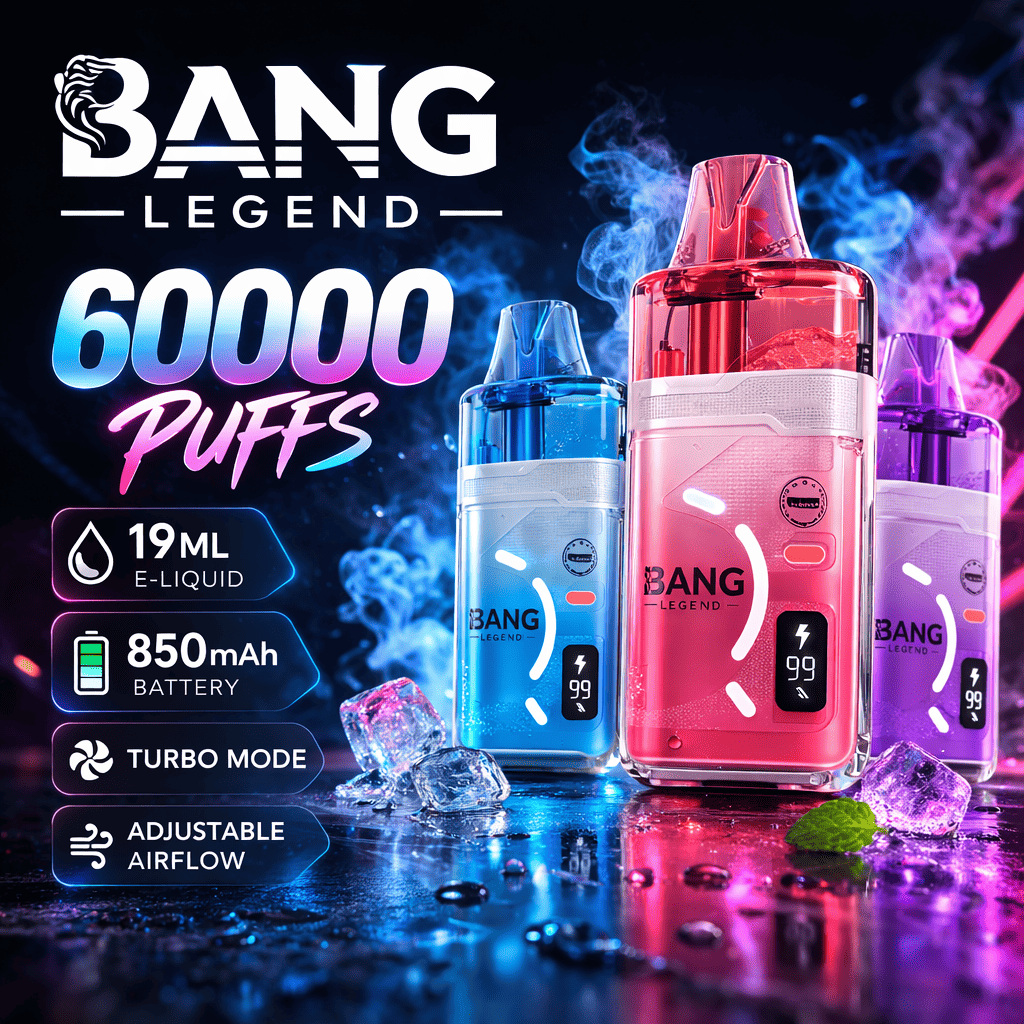
Electronic Cigarette UK Buying Guide 2026: Kits, Liquids and Legal Choices
A UK-focused buying guide for adult smokers comparing electronic cigarettes, refillable vape pens, pod kits, nic salt e-liquid and post-disposable-ban alternatives.
Disposable Vape Ban UK 2026: Legal Alternatives for Adult Vapers
A clear guide to the UK single-use vape ban, what adult vapers should avoid, and which refillable or rechargeable alternatives are more practical.
Best Refillable Vape Alternatives UK: Pods, Vape Pens and E-Liquid
A practical UK guide to refillable vape alternatives for adult users comparing pod kits, refillable vape pens, nic salt liquid and maintenance tradeoffs.
Nikotinsalz Liquid: Auswahl, Stärke und Anwendung in Deutschland
Ein deutscher Leitfaden zu Nikotinsalz Liquid, Nikotinstärke, Pod-Systemen, 20mg/ml Grenzen und der Auswahl passender E-Liquids.
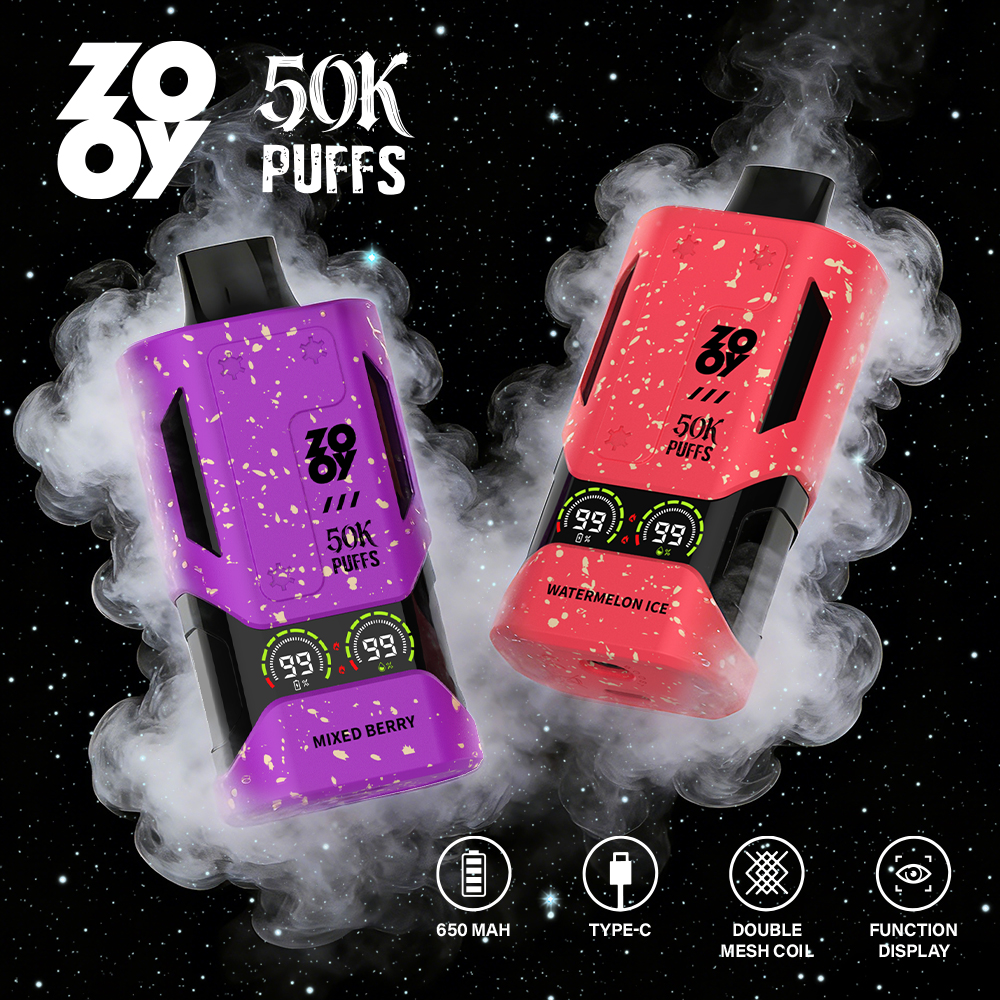
Einweg Vape Verbot Deutschland: Alternativen für erwachsene Nutzer
Ein deutscher SEO-Leitfaden zu Einweg-Vape-Verbot, Einweg-E-Zigaretten, Pod-Systemen, Nikotinsalz Liquid und praktischen Alternativen.
Interdiction Puff en France: règles et alternatives rechargeables
Guide français sur l’interdiction des puffs, les risques des cigarettes électroniques jetables et les alternatives rechargeables pour adultes.